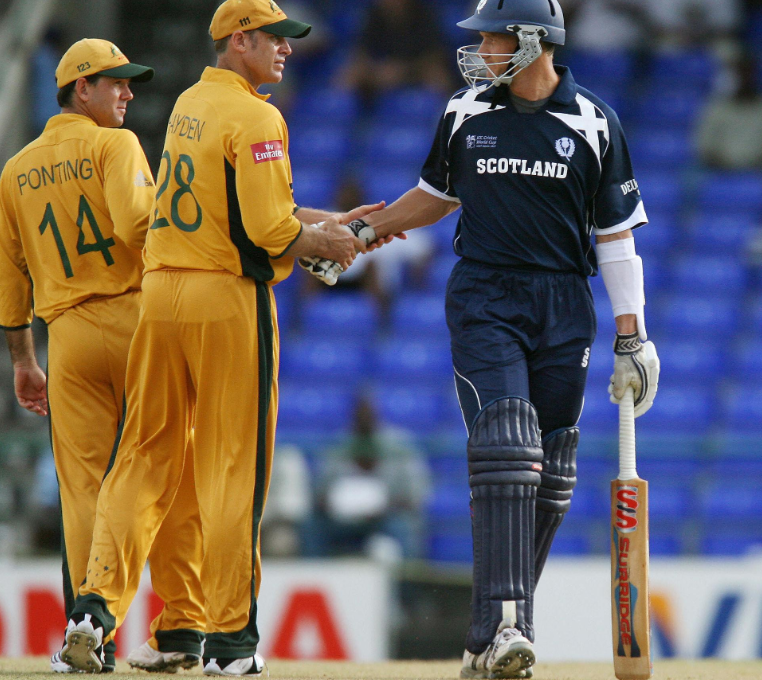
The cricketing encounters between these two sides reflect a journey shaped by contrast, learning, and evolving competition. One team entered with a long-standing international reputation, structured systems, and deep match experience, while the other gradually built its identity through exposure and development in associate cricket. Each meeting added new layers to their cricketing relationship, highlighting differences in skill, preparation, and adaptability. Over time, these matches became more than results on a scorecard; they turned into valuable lessons in pressure handling, tactical growth, and team maturity. Fans closely followed every clash, expecting both dominance and occasional surprises that defined the spirit of modern limited overs cricket.
Latest Matches
Date
Format
Venue
Winner
Margin
First Innings Score
Second Innings Score
14 Feb 2026
T20I
Kolkata
England
5 wickets
Scotland 152
England 155/5
04 Jun 2024
T20I
Bridgetown
No Result
Abandoned
Scotland 90/0
Match washed out
10 Jun 2018
ODI
Edinburgh
Scotland
6 runs
Scotland 371/5
England 365
23 Feb 2015
ODI
Christchurch
England
119 runs
England 303/8
Scotland 184
09 May 2014
ODI
Aberdeen
England
39 runs
England 167/6
Scotland 133/9
18 Aug 2010
ODI
Cardiff
England
7 wickets
Scotland 156
England 157/3
17 Jun 2008
ODI
Edinburgh
No Result
Abandoned
Scotland 156/9
Match washed out
Team Statistics Summary
Metric
England T20I
Scotland T20I
England ODI
Scotland ODI
Head to Head Total
Match Format Total
Total Matches
2
2
5
5
7
7
Won
1
0
3
1
4
4
Lost
0
1
1
3
1
4
No Result
1
1
1
1
2
2
Highest Score
155/5
152
365
371/5
365
371/5
Lowest Score
155/5
90/0
167/6
133/9
155/5
90/0
Individual Batting Records
Player Name
Team
Match Format
Innings
Total Runs
Highest Score
Strike Rate
Tom Banton
England
T20I
1
63
63
153.66
Richie Berrington
Scotland
ODI / T20I
4
104
49
115.55
Michael Jones
Scotland
T20I
2
78
45
156.00
George Munsey
Scotland
T20I
2
45
41
140.62
Jacob Bethell
England
T20I
1
32
32
114.29
Sam Curran
England
T20I
1
28
28
140.00
Tom Bruce
Scotland
T20I
1
24
24
133.33
Individual Bowling Records
Player Name
Team
Overs Bowled
Maidens
Total Runs
Wickets Taken
Economy Rate
Adil Rashid
England
4.0
0
36
3
9.00
Brad Wheal
Scotland
3.2
0
23
2
6.90
Jofra Archer
England
4.0
0
24
2
6.00
Liam Dawson
England
4.0
0
34
2
8.50
Jamie Overton
England
4.0
0
23
1
5.75
Brandon McMullen
Scotland
3.0
0
23
1
7.67
Bradley Currie
Scotland
3.0
0
21
1
7.00
Early Cricket Roots and Uneven Beginnings
Cricket connections between the two sides developed with a clear difference in experience, structure, and exposure at the international level. One team had already built a strong reputation in global competitions, while the other was still shaping its identity in associate cricket. This imbalance created early challenges whenever they met on the field. The stronger side relied on depth in batting and disciplined bowling, while the emerging side focused on learning from every opportunity. These early stages were not just about results but about understanding how to compete against elite opposition. Fans quickly noticed the gap in consistency and execution, which set the tone for future meetings. Despite the difference, every encounter added value for both teams, especially in terms of confidence building and exposure to pressure situations. Over time, these early matches became reference points for improvement, shaping future strategies and player development paths on both sides.
Match Type
Venue Condition
Winner Trend
Competitive Gap
Limited Overs
Balanced Pitch
Strong Side
High
Friendly Match
Slow Surface
Strong Side
Medium
Regional Clash
Green Pitch
Strong Side
High
Exhibition Game
Flat Pitch
Strong Side
Medium
First Encounters and Regional Contest Growth
The initial competitive meetings between these teams brought attention to regional cricket development and growing ambition. These matches were not just fixtures but learning platforms where tactical awareness and mental strength were tested. One side approached with structured game plans and international experience, while the other entered with determination and evolving skill sets. Early performances showed gaps in finishing ability and death over execution, but also highlighted flashes of potential from emerging players. The contests gradually became more organized and competitive as exposure increased. Supporters from both sides began following these matches closely, adding emotional value and regional pride. Each encounter contributed to shaping future selections and strategies. Over time, these early games helped bridge the gap in understanding modern cricket demands, especially in shorter formats where adaptability became crucial.
Aspect
Early Stage
Later Stage
Improvement
Batting Control
Low
Moderate
Rising
Bowling Accuracy
Moderate
High
Strong
Fielding Standards
Basic
Improved
Significant
Match Awareness
Limited
Advanced
Noticeable
Atmosphere and Anticipation Among Fans
The buildup to each match between these sides created a unique atmosphere driven by expectation, pride, and curiosity. Fans from the established cricketing nation expected dominance, while supporters of the emerging side hoped for breakthrough performances. Media coverage increased interest by highlighting player matchups and tactical contrasts. Stadium energy often reflected this imbalance of expectation, with louder support leaning toward the stronger team. However, neutral audiences appreciated the unpredictability and development of the underdog side. Social discussions and commentary added further intensity before every match. Players also felt the pressure of expectations, especially when representing teams with different cricketing histories. This emotional backdrop influenced performance, decision-making, and execution on the field. The anticipation was not only about results but also about individual brilliance and potential turning points.
Element
Strong Side Support
Emerging Side Support
Neutral Interest
Media Focus
Crowd Volume
High
Moderate
Low
High
Expectation Level
Very High
Growing
Balanced
High
Pressure Factor
High
Very High
Medium
High
Engagement Level
Strong
Strong
Moderate
Strong
Dominance Phase and Learning Curve
During the early dominance phase, one team consistently controlled match outcomes through superior planning and execution. Their batting lineup often set challenging targets, while bowlers applied pressure with disciplined lines and lengths. The opposing side, although resilient, struggled to maintain consistency across all departments. However, these matches served as crucial learning experiences. Younger players gained exposure to high-pressure situations, improving their understanding of pacing innings and handling setbacks. Coaches focused on building mental strength and tactical awareness. Over time, the gap in performance began to narrow as the emerging side adopted more structured preparation methods. The dominance phase was therefore not just about one-sided results but also about shaping long-term development for both teams.
Factor
Dominant Team
Developing Team
Outcome Impact
Batting Depth
Strong
Improving
High
Bowling Variation
Advanced
Basic
High
Match Control
Consistent
Inconsistent
Medium
Pressure Handling
Strong
Developing
High
Tactical Evolution and Strategic Adaptation
As encounters continued, both teams refined their tactical approaches to suit modern cricket demands. One side emphasized aggressive starts and middle-over control, while the other focused on building partnerships and minimizing early damage. Bowling strategies evolved with variations in pace, spin usage, and field placements. Captains became more proactive in decision-making, adjusting plans based on match situations. Analytical preparation also improved, with teams studying opponent weaknesses more closely. This evolution made matches more competitive and unpredictable compared to earlier meetings. Field settings became more dynamic, and batting approaches shifted toward calculated aggression. The tactical growth on both sides reflected broader changes in international cricket, where adaptability became a key factor in success.
Strategy Area
Early Approach
Modern Approach
Effectiveness
Batting Plan
Defensive
Balanced Aggression
High
Bowling Plan
Standard Lines
Variations Used
High
Field Setup
Fixed
Adaptive
Strong
Captaincy Style
Reactive
Proactive
Strong
Key Players and Match Influencers
Across different encounters, several players stood out for their consistent impact on matches. Established stars from the stronger side often anchored innings or delivered crucial breakthroughs with the ball. On the other hand, emerging players from the developing side occasionally produced standout performances that shifted momentum. These individual contributions added depth to the rivalry and influenced match outcomes significantly. Batters who could handle pressure situations became central figures, while bowlers capable of breaking partnerships gained strategic importance. Fielding also played a supporting role in highlighting athletic ability and commitment. Over time, these player performances shaped how each team approached future matches and selection decisions.
Player Role
Strong Side Impact
Emerging Side Impact
Match Influence
Top Order Batter
High Consistency
Occasional Brilliance
High
Fast Bowler
Wicket Taker
Developing Skill
High
Spinner
Controlled Economy
Learning Phase
Medium
All Rounder
Match Winner
Emerging Talent
High
Modern Era Encounters and Psychological Edge
In recent meetings, the competitive gap has become less predictable as the emerging side gained confidence and experience. Matches now reflect a more balanced contest where pressure plays a major role in determining outcomes. The stronger team still holds a psychological advantage due to history, but that gap is gradually shrinking. Players from both sides now enter matches with greater self-belief and preparation. Modern cricket strategies, fitness standards, and analytical tools have contributed to this shift. The psychological aspect remains crucial, especially in close finishes where decision-making under pressure becomes decisive. Fans now expect closer contests, and every match carries greater uncertainty than before. This evolution has transformed the rivalry into a more engaging and respected competition.
Modern Factor
Strong Side
Emerging Side
Competitive Balance
Confidence Level
High
Rising
Narrowing
Match Pressure
Managed
Improving
Balanced
Tactical Depth
Advanced
Developing
Closing Gap
Performance Consistency
Strong
Variable
Improving
Conclusion
The overall journey shows how cricket evolves when experience meets ambition on the same field. Early dominance by one side gradually transformed into more competitive contests as the other team improved through exposure and learning. Each match contributed to narrowing gaps in skill, strategy, and confidence. While historical strength still plays a role, modern preparation and fearless intent have made outcomes less predictable. This rivalry now stands as an example of development in international cricket, where persistence and adaptation can steadily challenge established hierarchy and create meaningful, closely watched contests for fans across both nations.