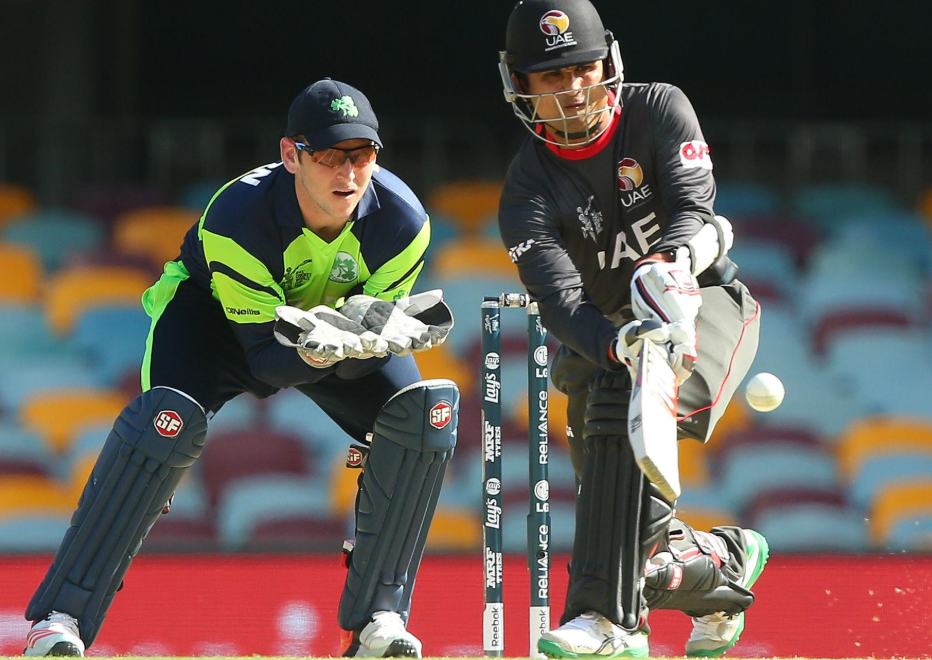
The cricket rivalry between Ireland and the United Arab Emirates has grown into one of the most competitive battles among emerging international teams. Every encounter between these sides carries pressure, emotion, and the dream of achieving global recognition. From ICC qualification tournaments to thrilling ODI and T20 clashes, both teams have delivered unforgettable performances filled with tactical brilliance and dramatic finishes. Ireland often entered contests with experience and aggressive intent, while UAE responded with resilience and fearless cricket. Fans witnessed intense bowling spells, match-winning partnerships, and pressure-filled chases that shaped the rivalry over the years. These contests became more than simple matches because they represented ambition, pride, and determination on the international cricket stage.
Table of Contents
Latest Matches
Date
Match
Format
Venue
Winner
Margin
Score
31 Jan 2026
UAE vs Ireland
T20I
Dubai
Ireland
30 runs
IRE 170/7 – UAE 140/8
29 Jan 2026
UAE vs Ireland
T20I
Dubai
Ireland
57 runs
IRE 185/6 – UAE 128/9
23 Jan 2026
UAE vs Ireland
ODI
Abu Dhabi
Ireland
6 wickets
UAE 212 – IRE 215/4
21 Jan 2026
UAE vs Ireland
ODI
Abu Dhabi
Ireland
120 runs
IRE 310/5 – UAE 190
19 Jan 2026
UAE vs Ireland
ODI
Abu Dhabi
UAE
3 wickets
IRE 242 – UAE 245/7
18 Oct 2025
UAE vs Ireland
T20I
Dublin
Ireland
7 wickets
UAE 151/8 – IRE 153/3
Team Statistics Summary
Team
Format
Matches
Won
Lost
Tied
No Result
Ireland
ODI
15
11
4
0
0
UAE
ODI
15
4
11
0
0
Ireland
T20I
13
10
3
0
0
UAE
T20I
13
3
10
0
0
Ireland
T20 World Cup
2
1
1
0
0
UAE
T20 World Cup
2
1
1
0
0
Individual Batting Records
Player
Team
Matches
Innings
Runs
Highest Score
Average
Paul Stirling
Ireland
25
24
842
115
38.27
Curtis Campher
Ireland
14
12
456
84
41.45
Muhammad Waseem
UAE
16
16
412
71
25.75
Andy Balbirnie
Ireland
20
19
398
102
22.11
Aryansh Sharma
UAE
8
8
245
54
30.62
Harry Tector
Ireland
12
10
231
62
28.87
Individual Bowling Records
Player
Team
Matches
Overs
Wickets
Best Bowling
Economy
Mark Adair
Ireland
22
82.4
34
4/19
6.85
Junaid Siddique
UAE
18
68.0
25
3/24
7.42
George Dockrell
Ireland
19
52.0
21
3/12
5.91
Barry McCarthy
Ireland
15
54.2
18
3/33
7.15
Zahoor Khan
UAE
12
46.0
15
4/31
6.52
Craig Young
Ireland
10
38.0
14
3/21
6.20
When Two Emerging Cricket Nations Refused to Stay in the Shadows
The rivalry between these two growing cricket nations slowly turned into one of the most competitive contests in associate cricket. Both teams entered international tournaments with the same dream of reaching the highest stage and proving that smaller cricket nations could challenge established sides. Early matches were filled with nervous batting, disciplined bowling, and tactical captaincy. Ireland often relied on aggressive opening partnerships and accurate seam attacks, while UAE focused on spin control and patient middle-order batting. Fans from both countries became emotionally connected to every encounter because qualification points and international respect were always at stake. Several close finishes created tension between players and supporters, making every contest feel important. As years passed, the matches became faster, more tactical, and more intense. Young cricketers from both camps began using these clashes as opportunities to announce themselves on the international stage. The rivalry eventually grew beyond simple scorecards and became a symbol of ambition, pressure, resilience, and pride in modern associate cricket.
Ireland Strong Starts
UAE Spin Pressure
Close Finishes
ICC Tournament Battles
Aggressive openers
Slow bowling control
Last over drama
Qualification pressure
Fast scoring powerplay
Defensive middle overs
Tight chases
High intensity matches
Seam bowling strength
Smart field settings
Emotional moments
Competitive rankings
Tactical captaincy
Patient batting style
Fan excitement
International recognition
The First Encounter That Sparked Competitive Fire
The earliest battle between these sides introduced cricket fans to a rivalry filled with determination and fearless cricket. Ireland entered the match with more international experience and quickly tried to dominate through attacking batting and disciplined bowling. UAE, however, surprised many observers with fearless stroke play and energetic fielding. The contest remained balanced because both teams understood how important every ICC event was for their future growth. Partnerships in the middle overs played a huge role, while bowlers focused heavily on line and length instead of risky variations. Several moments shifted momentum during the game, including dropped catches, pressure-filled run chases, and smart captaincy decisions. The crowd responded passionately to every boundary and wicket, creating an atmosphere that felt much bigger than an associate-level fixture. That first contest became the foundation of a long sporting battle that would continue across multiple tournaments. Players from both teams later admitted that these matches helped shape their confidence and mentality in international cricket.
Early Batting Pressure
Bowling Discipline
Turning Moments
Match Impact
Quick opening runs
Tight seam bowling
Crucial wickets
Rivalry foundation
Rotating strike
Controlled economy
Missed catches
Confidence boost
Middle-order recovery
Spin variations
Momentum swings
ICC attention
Late over acceleration
Death over plans
Fan celebrations
Growing competition
Ireland’s Early Dominance and UAE’s Search for Identity
During the early years of the rivalry, Ireland often controlled matches through balanced team performances and superior tournament experience. Their batting lineup played with confidence, especially in pressure situations where partnerships became crucial. UAE struggled initially because the side was still searching for consistency in batting depth and bowling combinations. Several matches followed a similar pattern where Ireland built strong totals before restricting the chase with disciplined bowling. Despite those setbacks, UAE continued improving through domestic development and exposure to international tournaments. Young players slowly adapted to high-pressure cricket and started challenging Ireland more effectively. Captains experimented with spin-heavy tactics, defensive fields, and calculated batting approaches to reduce Ireland’s advantage. These adjustments gradually changed the nature of the rivalry. Fans noticed that the gap between the teams was shrinking with every tournament. The emotional intensity also increased because UAE players wanted to prove they belonged at the same competitive level. Those early defeats eventually became learning experiences that strengthened the squad mentally and tactically.
Ireland Advantages
UAE Challenges
Tactical Adjustments
Team Development
Experienced batting
Inconsistent middle order
Spin-based strategy
Better tournament exposure
Strong fast bowling
Limited partnerships
Defensive field placements
Improved confidence
Smart captaincy
Pressure handling issues
Calculated batting tempo
Rising young players
Match awareness
Finishing weakness
Bowling variations
Stronger international identity
Khurram Khan, Porterfield, and the Players Who Set the Tone
Several players transformed this rivalry into a memorable chapter of associate cricket through their performances and leadership qualities. Experienced batters often carried the pressure of expectations while bowlers searched for breakthroughs in difficult situations. Khurram Khan became known for calm innings under pressure and smart strike rotation during tense chases. On the other side, William Porterfield brought stability and leadership with fearless opening partnerships and confident captaincy. Their battles represented the larger struggle between two ambitious cricket nations. Supporting players also contributed heavily with all-round performances, economical bowling spells, and game-changing fielding efforts. Fans admired the passion shown by players during close finishes and high-pressure tournament clashes. Every important wicket or partnership carried emotional significance because qualification dreams were frequently involved. These cricketers inspired younger generations in both countries and helped increase interest in cricket across emerging regions. Their contributions ensured that the rivalry remained competitive, respected, and emotionally engaging for many years.
Key Batters
Important Bowlers
Leadership Impact
Memorable Contributions
Calm under pressure
Accurate seam attacks
Tactical field changes
Match-winning innings
Aggressive opening play
Controlled economy rates
Motivating teammates
Crucial partnerships
Smart strike rotation
Spin bowling pressure
Composed decision-making
Big tournament moments
Reliable finishing roles
Wicket-taking spells
Competitive mentality
Fan admiration
The ICC Qualifier Battles That Changed the Relationship Between Both Teams
Qualification tournaments created some of the most dramatic and emotionally charged encounters between these sides. Every match carried enormous pressure because World Cup dreams depended on small moments and tactical execution. Batters often played cautiously during the opening overs before accelerating later in the innings. Bowlers responded with defensive field settings and tight lines to prevent easy scoring opportunities. The emotional pressure of qualification cricket affected decision-making, leading to dramatic collapses, surprise recoveries, and unforgettable finishes. Several matches were decided by narrow margins, increasing the rivalry’s intensity and emotional value. Supporters followed every ball closely because qualification could change the future of cricket in both nations. Players understood that strong performances in these tournaments could define their careers and inspire future generations. As a result, the contests became mentally exhausting and tactically fascinating. These ICC clashes elevated the rivalry from ordinary competition into one of the most respected battles among emerging cricket nations.
Qualification Pressure
Tactical Battles
Turning Points
Emotional Reactions
World Cup ambitions
Defensive bowling plans
Sudden collapses
Crowd tension
Careful batting starts
Smart field placements
Match-winning spells
Player celebrations
High stakes cricket
Spin versus pace battles
Close finishes
National pride
Career-defining matches
Captaincy decisions
Late partnerships
Fan excitement
Sharjah Pressure and Dubai Drama
Matches played in UAE conditions added a completely different dimension to the rivalry. Slow pitches, dry weather, and evening dew created difficult tactical situations for both teams. Spin bowlers became extremely important during middle overs, while batters needed patience and intelligent shot selection. Ireland attempted to counter these conditions with aggressive starts and attacking seam bowling early in the innings. UAE often relied on home familiarity and crowd energy to maintain control during tense moments. Several memorable matches in Sharjah and Dubai featured thrilling chases, collapses under pressure, and dramatic final overs. Fans created loud atmospheres that increased pressure on players during key moments. Captains frequently changed bowling combinations and field settings in response to shifting pitch behavior. These matches highlighted how conditions could influence tactics, confidence, and momentum. Every encounter in the region carried a sense of unpredictability, making the rivalry even more exciting for neutral cricket followers around the world.
UAE Conditions
Ireland Strategy
Match Atmosphere
Tactical Factors
Slow pitches
Aggressive powerplay batting
Loud crowd support
Spin bowling control
Evening dew
Early seam movement
High pressure moments
Bowling rotations
Dry weather challenges
Fast scoring attempts
Emotional finishes
Smart captaincy
Home familiarity
Fielding aggression
Intense rival atmosphere
Pitch adaptability
Ireland’s Fast Bowlers Against UAE’s Counterattack
One of the most fascinating elements of this rivalry was the battle between disciplined fast bowling and fearless counterattacking batting. Ireland frequently used seam bowlers to apply early pressure with movement, bounce, and aggressive lengths. UAE batters responded with patience before launching calculated attacks during middle and death overs. These tactical battles often determined the outcome of closely fought contests. Bowlers focused on yorkers, slower deliveries, and tight field placements to limit boundaries during crucial stages. Batters, meanwhile, relied on strike rotation, boundary placement, and composure under pressure. Several games witnessed dramatic momentum changes after quick wickets or explosive partnerships. Fans enjoyed the unpredictable nature of these contests because no total ever felt completely safe. Captains constantly adjusted tactics based on conditions, batting form, and match situations. Over time, both teams improved significantly in adapting to modern white-ball cricket, turning their encounters into highly tactical and emotionally intense spectacles for cricket audiences.
Fast Bowling Threat
UAE Batting Response
Key Tactical Moves
Match Result Factors
Swing with new ball
Patient batting approach
Yorker execution
Powerplay performance
Aggressive short balls
Counterattacking strokes
Slower ball variations
Middle-over control
Death over pressure
Smart strike rotation
Boundary protection fields
Finishing partnerships
Seam movement
Late innings acceleration
Bowling changes
Handling pressure moments
Conclusion
Over the years, this rivalry has evolved into a fascinating contest defined by resilience, tactical battles, and emotional cricket moments. Both teams contributed unforgettable performances that inspired supporters and strengthened associate cricket worldwide. Ireland’s consistency and attacking mindset often tested UAE’s discipline and determination, while UAE continuously proved its ability to challenge stronger opponents under pressure. Several thrilling finishes, remarkable player performances, and crucial qualification matches added greater intensity to this sporting rivalry. The competition also helped develop future stars and increased the popularity of cricket in emerging regions. As both teams continue progressing in international cricket, their future encounters promise even more drama, pressure, and memorable moments for cricket fans around the world.