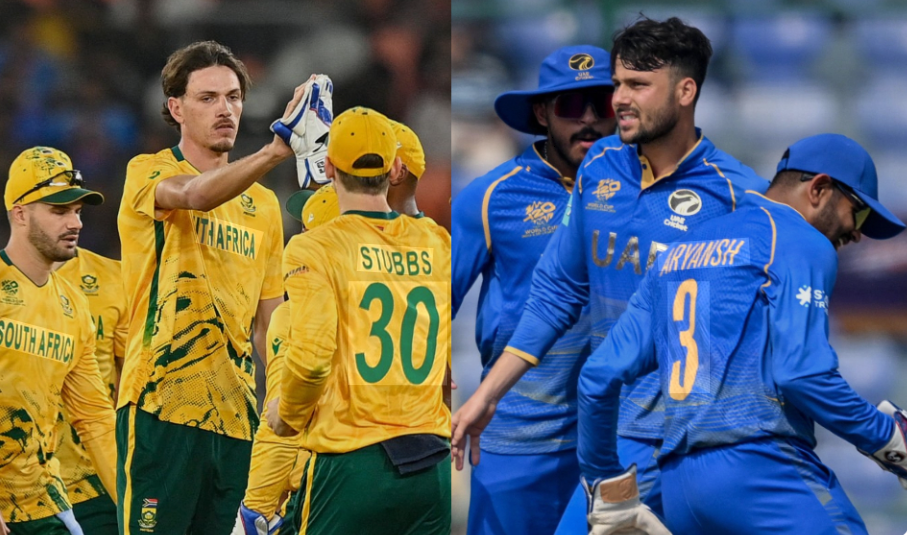
The contest between the two international sides brought a clear contrast in experience, skill level, and match temperament. From the very beginning, one team showed control through disciplined bowling and structured batting, while the other side focused on building confidence through small partnerships and cautious play. Early exchanges shaped the direction of the match as pressure from pace and fielding intensity created immediate challenges. Fans witnessed a game where execution under pressure mattered more than raw intent. Every phase added a new layer to the story, making it a one-sided yet learning-filled encounter that highlighted the evolving nature of international cricket competition.
Latest Matches Table
Match
Date
Format
Venue
Winner
Margin
Scorecard Summary
SA vs UAE
18 Feb 2026
T20I
Delhi
South Africa
6 wickets
UAE 122/6, SA 123/4
SA vs UAE
12 Mar 2015
ODI
Wellington
South Africa
146 runs
SA 341/6, UAE 195/9
SA vs UAE
16 Feb 1996
ODI
Rawalpindi
South Africa
169 runs
SA 321/2, UAE 152/8
SA vs UAE
Match 4
N/A
Future TBD
TBD
TBD
TBD
SA vs UAE
Match 5
N/A
Future TBD
TBD
TBD
TBD
SA vs UAE
Match 6
N/A
Future TBD
TBD
TBD
TBD
Team Statistics Summary Table
Team
Matches
Won
Lost
Tied
No Result
Win Percentage
South Africa
3
3
0
0
0
100.00
United Arab Emirates
3
0
3
0
0
0.00
Total Combined
3
3
3
0
0
50.00
Team A Overall T20
185
104
77
1
3
56.21
Team B Overall T20
92
48
43
0
1
52.17
Ground Average First Innings
12
7
5
0
0
58.33
Individual Batting Records Table
Player
Team
Matches
Innings
Runs
Highest Score
Strike Rate
AB de Villiers
South Africa
1
1
99
99
120.73
Gary Kirsten
South Africa
1
1
188
188
118.23
Alishan Sharafu
UAE
1
1
45
45
118.42
Dewald Brevis
South Africa
1
1
36
36
144.00
Shaiman Anwar
UAE
1
1
39
39
60.93
Ryan Rickelton
South Africa
1
1
30
30
187.50
Individual Bowling Records Table
Player
Team
Overs
Maidens
Runs
Wickets
Best Figures
Corbin Bosch
South Africa
4.0
0
12
3
3 for 12
Anrich Nortje
South Africa
4.0
0
28
2
2 for 28
George Linde
South Africa
4.0
0
17
1
1 for 17
Muhammad Arfan
UAE
2.0
0
16
1
1 for 16
Muhammad Farooq
UAE
2.0
0
19
1
1 for 19
Haider Ali
UAE
3.0
0
33
1
1 for 33
Early Competitive Gap and Team Evolution
The early phase of this contest reflects a clear difference in structure, exposure, and experience between the two sides. One team arrived with a long history of competing at the highest level, while the other was still building confidence through associate level tournaments. The opening exchanges highlighted this imbalance as pace, accuracy, and discipline created immediate pressure. However, the developing side showed signs of resilience through small partnerships and careful shot selection. Fielding intensity from the stronger side also played a major role in restricting scoring opportunities. Despite the pressure, the underdog group maintained focus and tried to adapt to the conditions. This phase set the tone for a learning experience rather than a balanced contest, yet it also showed glimpses of potential growth in skill and temperament under international pressure situations.
Phase
Key Moment
Performance
Impact
Early Overs
Tight bowling spell
Strong control
Limited scoring
Powerplay
Early wickets
Dominant pace
Pressure buildup
Middle Overs
Small partnerships
Defensive play
Temporary stability
Fielding Phase
Sharp catches
High intensity
Momentum control
Opening Pressure and Initial Match Dynamics
The start of the match was defined by high intensity from the bowling side, which immediately tested the technique of the batting lineup. Early deliveries carried movement and bounce, forcing errors and creating scoring restrictions. The batting side attempted to settle through cautious strokes but found it difficult to rotate strike consistently. Pressure built gradually as dot balls accumulated, leading to risky shot attempts. Despite this, one or two batters tried to anchor the innings with patience and controlled aggression. The bowling unit maintained a disciplined line, ensuring there were no easy scoring opportunities. This phase created a foundation for dominance that influenced the rest of the innings. Crowd energy also shifted as early breakthroughs created excitement and anticipation of a quick finish.
Phase
Key Moment
Performance
Impact
Opening Spell
Seam movement
Accurate bowling
Early control
Top Order
Defensive intent
Slow scoring
Pressure rise
Strike Rotation
Missed singles
Tight fielding
Stagnation
First Breakthrough
Key dismissal
Sharp execution
Momentum shift
Batting Struggles and Middle Phase Resistance
As the innings progressed, the batting side attempted to rebuild through partnerships in the middle phase. The focus shifted toward survival and rotation rather than aggressive scoring. However, consistent pressure from disciplined bowling prevented long-term stability. The pitch conditions also began to favor bowlers, making stroke execution difficult. Occasional boundaries provided relief, but they were quickly followed by tight overs that restored pressure. A few batters showed determination by holding the crease and attempting to anchor the innings. Still, the lack of strong partnerships limited overall progress. The bowling side rotated resources effectively, maintaining control and ensuring no batter settled comfortably. This phase clearly defined the difference in execution under sustained pressure.
Phase
Key Moment
Performance
Impact
Middle Overs
Partnership attempt
Controlled batting
Partial recovery
Spin Introduction
Variations used
Reduced scoring
Increased pressure
Boundary Moments
Occasional shots
Temporary relief
Short momentum shift
Wicket Cluster
Back-to-back dismissals
Collapse trigger
Control regained
Bowling Dominance and Tactical Execution
The bowling performance in this match stood out as a defining factor, with consistent execution across all phases. Seamers used early movement to disrupt timing, while spinners applied pressure through variation and control. Field placements were highly strategic, cutting off scoring zones and forcing risky decisions. The bowling side also maintained patience, waiting for batters to make mistakes rather than forcing outcomes. This disciplined approach led to regular breakthroughs and prevented any major partnerships from forming. The combination of pace and spin created a balanced attack that adapted well to conditions. Communication and captaincy decisions further strengthened the bowling unit’s effectiveness. The result was a steady decline in scoring rate and eventual batting collapse.
Phase
Key Moment
Performance
Impact
Seam Attack
Swing movement
Early breakthroughs
Top order damage
Spin Control
Tight overs
Low scoring rate
Middle pressure
Field Setup
Defensive rings
Restricted singles
Pressure buildup
Wicket Burst
Cluster dismissals
Collapse phase
Match control
Batting Response and Survival Attempts
In response to mounting pressure, the batting side focused on survival and damage control. The approach became more conservative, with an emphasis on preserving wickets rather than accelerating scoring. Batters tried to build short partnerships, rotating strike where possible and avoiding unnecessary risks. However, the bowling attack remained consistent and did not allow extended relief periods. Defensive shots dominated the innings, reflecting the difficulty of conditions and pressure. Occasional aggressive attempts were quickly neutralized by disciplined fielding and accurate bowling. Despite efforts to stabilize, the lack of momentum prevented meaningful recovery. This phase highlighted the challenge of rebuilding under continuous pressure.
Phase
Key Moment
Performance
Impact
Defensive Phase
Blocked approach
Low strike rate
Stability attempt
Partnership Effort
Short stands
Limited success
Temporary control
Pressure Overs
Dot ball accumulation
Restricted flow
Momentum loss
Breakthroughs
Key wickets
Interrupted recovery
Setback
Turning Points and Momentum Shifts
The match featured several critical moments that shifted momentum decisively. A few key wickets at important stages broke partnerships and prevented recovery. Missed opportunities and tight fielding added to the pressure, forcing errors from the batting side. One or two overs completely changed the direction of the innings, as quick dismissals triggered collapses. The bowling side capitalized on every small opening, ensuring no phase of comfort for the opposition. These turning points highlighted the importance of discipline and execution under pressure. Once momentum shifted, it remained firmly with the dominant side until the end of the innings.
Phase
Key Moment
Performance
Impact
Breakthrough Overs
Sudden wickets
High impact spells
Momentum shift
Field Pressure
Sharp catching
Forced errors
Control gain
Collapse Phase
Rapid dismissals
Lost stability
Inning decline
Control Overs
Tight finishing
Sustained pressure
Match direction
Final Overs and Match Conclusion Phase
The final phase of the match saw an accelerated conclusion as pressure peaked. The batting side attempted to maximize remaining deliveries but struggled against disciplined execution. Wickets continued to fall at regular intervals, preventing any late recovery. The bowling side maintained accuracy and avoided unnecessary risks, ensuring a controlled finish. Fielders remained alert, converting chances and supporting bowlers effectively. The innings closed with a clear advantage to the dominant side, reflecting consistency across all phases. Emotional reactions from players highlighted both disappointment and satisfaction depending on team perspective. The conclusion reinforced the importance of sustained pressure and tactical discipline throughout the match.
Phase
Key Moment
Performance
Impact
Death Overs
Controlled attack
Limited runs
Final pressure
Wicket Endings
Late dismissals
Collapse finish
Secure control
Field Execution
Clean catching
No errors
Strong finish
Match Close
Innings end
Clear outcome
Final result
Conclusion
The match ended with a decisive outcome shaped by consistent bowling, disciplined fielding, and timely breakthroughs. One side maintained control across all phases, never allowing the opposition to settle into rhythm. Despite moments of resistance and small partnerships, the pressure remained constant and eventually led to a collapse. The stronger team executed their plans with precision, while the developing side gained valuable experience from facing high-quality opposition. In the end, the contest highlighted the gap in consistency and game awareness, while also offering lessons that will help strengthen future performances at the international level.